Unmanned Aerial Vehicles (UAVs) have transformed property surveying, enabling Expert Witness RICS professionals to inspect previously inaccessible areas safely and cost-effectively. Drone technology provides high-resolution imagery, 3D models, and comprehensive documentation for expert evidence.
Understanding Drone Surveying
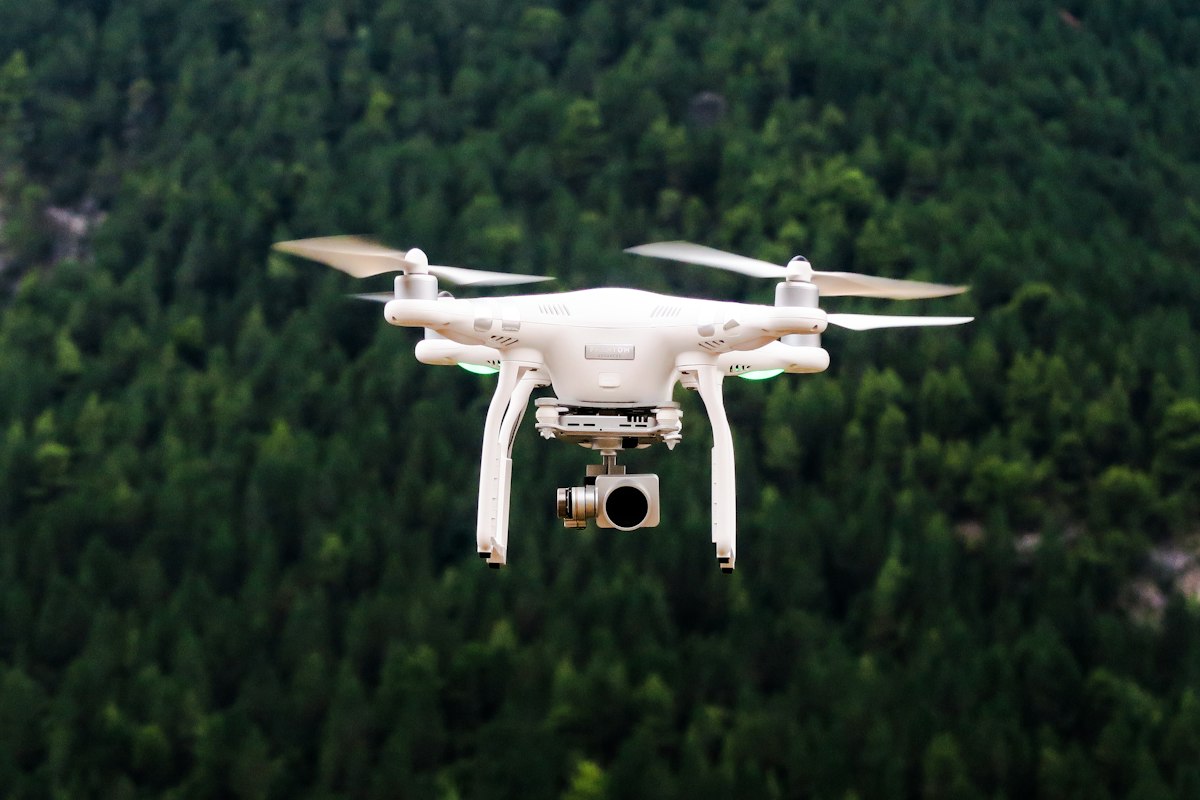
Professional drone surveys utilize high-specification UAVs equipped with advanced cameras and sensors. These platforms capture detailed imagery from perspectives impossible or dangerous for traditional surveying methods.
Modern surveying drones feature 20+ megapixel cameras, obstacle avoidance systems, and GPS positioning achieving centimeter-level accuracy. This technology delivers expert evidence quality imagery courts and clients trust.
🚁 Applications of Drone Surveying:
- Roof inspections: Detailed assessment without scaffolding or access equipment
- Chimney surveys: Close-up inspection of stacks and flues
- Tall buildings: High-level facade inspections
- Large sites: Rapid surveying of extensive properties
- Boundary disputes: Aerial mapping and site context
- Progress monitoring: Construction project documentation
Advantages Over Traditional Methods
Safety Benefits
Drone surveying eliminates risks associated with:
- Ladder work at height
- Scaffolding erection and use
- Cherry picker operation
- Walking on fragile roofs
- Accessing dangerous structures
As an Expert Witness RICS, safety is paramount. Drones allow comprehensive inspections without exposing surveyors to fall risks or unstable structures.
Cost Effectiveness
Traditional access methods involve significant costs:
- Scaffolding: £1,500-£5,000+ for temporary access
- Cherry pickers: £500-£1,000 per day hire
- Rope access: £800-£1,500 per day
- Drone surveys: £300-£800 typically
Drone surveys deliver detailed inspection evidence at fraction of traditional access costs.
Speed and Efficiency
Drone surveys are remarkably efficient:
- No access equipment setup time
- Rapid data capture (30-60 minutes typical)
- Immediate image review on-site
- Multiple properties surveyed per day
- No disruption to building occupation
Roof Inspections
Roof defects are common expert witness matters. Drones revolutionize roof surveying by providing:
Comprehensive Coverage
- All roof slopes inspected regardless of pitch
- Valleys and gutters examined in detail
- Chimney stacks assessed from all angles
- Ridge tiles, flashings, and abutments visible
- Roof light and ventilation condition documented
Defect Identification
High-resolution imagery reveals:
- Missing, slipped, or damaged tiles/slates
- Lead flashing defects and failures
- Moss and vegetation growth
- Chimney deterioration and instability
- Gutter blockages and damage
- Roof structure deflection or sagging
Drone Imagery as Expert Evidence
Drone-captured evidence supports expert witness reports effectively:
Visual Clarity
High-resolution images provide clear defect documentation courts and parties understand. Aerial perspectives show relationships between defects and surrounding context valuable for causation analysis.
Before and After Documentation
Drone surveys excel at documenting:
- Pre-works condition for dilapidations
- Storm damage extent for insurance claims
- Construction progress for contract disputes
- Remedial works completion verification
3D Modeling and Photogrammetry
Advanced drone surveying creates:
- 3D models from multiple image perspectives
- Accurate measurements without physical access
- Orthomosaic maps showing true dimensions
- Point clouds for detailed analysis
Legal and Regulatory Compliance
CAA Regulations
Professional drone operations require:
- Operator ID: Civil Aviation Authority registration
- Flyer ID: Competency certification
- GVC Certificate: General Visual Line of Sight Certificate for commercial operations
- Insurance: Public liability cover (minimum £1 million)
- Risk assessments: Site-specific safety planning
Privacy and GDPR
Drone surveying must respect:
- Neighboring property privacy
- Data protection regulations
- Image use consent
- Secure data storage
Limitations and Considerations
Despite advantages, drones have limitations:
Weather Dependency
- Cannot fly in rain or heavy wind
- Poor visibility affects image quality
- Temperature extremes impact battery performance
Access Restrictions
- No-fly zones around airports
- Urban area restrictions
- Height limitations (400ft maximum)
- Permission required for some locations
Close Inspection Limits
While excellent for overall assessment, drones cannot:
- Physically test material condition
- Probe suspect areas
- Access internal voids
- Provide tactile assessment
Frequently Asked Questions
Do I need permission to use drones for property surveys?
Commercial drone operations require CAA certification (GVC). Additionally, permission may be needed for flights in certain areas or near airports. Professional surveyors hold all necessary certifications and obtain required permissions.
How accurate are drone survey measurements?
Modern survey drones with RTK GPS achieve centimeter-level accuracy. Photogrammetry software processes images into precise 3D models suitable for measurements. Accuracy rivals traditional surveying methods for many applications.
Can drones survey in all weather?
No. Drones cannot fly safely in rain, strong winds (typically above 25mph), or poor visibility. Surveys must be rescheduled for suitable conditions ensuring safety and image quality.
Will drone surveys disturb neighbors?
Professional operators minimize disturbance through considerate flying, brief survey durations (typically 30-60 minutes), and advance neighbor notification where appropriate. Modern drones are relatively quiet.
Are drone surveys suitable for expert witness work?
Absolutely. High-resolution drone imagery provides excellent expert evidence showing defects clearly. Courts accept drone evidence when captured professionally with appropriate chain of custody documentation.
🎯 Key Takeaways
- Safer surveying: Eliminates working at height risks
- Cost-effective: No expensive access equipment needed
- Comprehensive imagery: High-resolution documentation
- Expert evidence quality: Courts accept professional drone surveys
- Regulatory compliance: Use certified operators only
- Complementary tool: Best combined with traditional methods
Conclusion
Drone technology represents a paradigm shift in property surveying, offering Expert Witness RICS professionals powerful tools for safe, efficient, and comprehensive building inspection. From detailed roof surveys to large site mapping, UAVs deliver high-quality evidence supporting expert reports and dispute resolution.
While not replacing traditional surveying entirely, drones complement conventional methods excellently, providing perspectives and access previously impossible or prohibitively expensive. As technology advances, drone surveying will become increasingly integral to professional property inspection and expert witness practice.
Need Drone Survey Services?
Our CAA-certified drone operators provide professional aerial surveys for expert witness evidence, building inspections, and property documentation.
Request Drone SurveyRelated Articles